
New Project Adds Period Underwear to School Uniforms to Ensure Menstrual Dignity
Feb. 04, 2026
As the new school year begins, a special initiative is challenging the menstrual inequity that prevents many young girls from attending school regularly. Supported by the Vice Minister of Education, Somos Martina, a Colombian leader in sustainable intimate care, has integrated period care into the official school uniform.
The matter is urgent. Across Latin America, 1 in 4 girls regularly misses school during their period because they don't have access to period products. This is linked to a deeprooted menstrual stigma: Periods are often not even discussed at home, which makes it difficult for girls to ask for support. Without protection, many of them stay home to avoid leaks and the shame that comes with them. Repeated absence affects education and future opportunities.
Jhoana Rincón M., Teacher at Institución Educativa Mayor de Mosquera – the first school to officially adopt The Period Uniform, in Bogota said:
"It's a big problem for us that girls stay home because they fear a leak or cannot afford pads. Our responsibility is to ensure no student is left behind. By adding period care to the uniform, we fulfill our promise of an equal education."
A Fundamentally Different Approach
School uniforms, which are mandatory in Colombia, have long been used to promote inclusion and equality in public education. The Period Uniform extends this principle to period care. Instead of distributing period products through temporary, local programs that require separate logistics, the Period Uniform model builds on the existing school uniform system, making period care accessible by design.
Launched at Institución Educativa Mayor de Mosquera in January, the initiative is now expanding to additional schools, supported by Lucy Maritza Molina Acosta, Vice Minister of Education in Colombia.
She said:
“It is fundamental to talk about menstrual health in education in Colombia. And I believe that menstrual care should be discussed in all schools."
The principle of the initiative is straightforward, add period underwear to the list of required school items.
The Period Uniform achieves four main goals: Normalize Period Protection by turning period protection from an extra into the standard; Avoids stigma by lifting the burden of initiating the conversation from girls, as schools communicate the requirement to parents; Works at Scale by building with existing school uniform infrastructure and processes which, once established, works for every school, without additional effort; and Reduces Cost, as period underwear is already more affordable than single-use period products over time. As part of the initiative, Somos Martina provides period underwear to participating schools at a price comparable to regular underwear, along with access to information and resources for period care.
To inspire public discussion and encourage the government to adopt the model and inspire a worldwide conversation, Somos Martina has launched a global awareness campaign – not only in Colombia, but in different countries. It includes a dedicated website with more information accessible in different languages, and an editorial by New York Times contributing journalist María F. Fitzgerald, as well as a short film by award-winning director Claudia Barral, which illustrates the reality faced by students during their period. The initiative was created in partnership with the agency Serviceplan Innovation.
Why Period Underwear?
Experts agree that period underwear is the best choice for young girls. It's noninvasive and functions just like the daily underwear they already know, and is more comfortable while eliminating the skin irritation and health risks associated with pads or tampons. Unlike disposables, it provides up to 12 hours of protection, suitable for long school days. With a lifespan of up to 3 years, period underwear is significantly more affordable and environmentally sustainable than single-use alternatives.
Patricia Franco Reyes, CMO at Somos Martina said:
"This initiative is rooted in our mission to fight for menstrual justice. Supporting girls during their first period allows us to build trust and lifelong relationships. We believe period underwear is the best option to reconnect with our bodies and take care of the environment. I look forward to it becoming a standard for all women."
A Global Issue
The lack of access to menstrual products and education is a global issue. According to UN Women, 1 in 4 teens in the United States struggle to afford period products, especially teens of colour and lower-income households. In the United Kingdom, the same thing happens for 3 in 10 girls – and more than half of them used toilet paper instead. The World Bank estimates that 500 million girls and women lack access to menstrual products and adequate facilities for menstrual hygiene management (MHM) – around 35% of all people menstruating.
For Women by Women
The Period Uniform is supported by influential women and female-led institutions working across education, healthcare, media, and arts, each contributing specific expertise to the initiative.
Institución Educativa Mayor de Mosquera
Public secondary school in Mosquera, Colombia, and the first site to implement the Period Uniform. The school represents how the model operates within an existing public education system.
Fundación Poderosas Colombia
Colombian organization focused on community education and gender equity. The foundation supports engagement with students and families regarding menstrual health and access.
Dr. Laura Gil
Gynecologist and reproductive rights advocate. She provides medical and technical guidance to ensure the initiative meets health standards and educational needs.
María F. Fitzgerald
Journalist, writer, and editor. She is responsible for shaping clear and accurate public communication regarding menstrual dignity and education.
Claudia Barral Magaz
Film director working in documentary and advertising formats. She documents the initiative from the perspective of students and schools.
Demente
Women-led production company. The team is responsible for producing the audiovisual documentation of the project and its implementation.
Violeta Zambrano
Photographer focusing on female and menstrual experiences. She documented the lived realities connected to menstruation and school attendance.
Adriana Lozano
Illustrator and visual artist. She developed the visual language used across communication and educational materials for the initiative.
Related News

Ad of the Day | Lufthansa and Serviceplan Launch New International Premium Campaign
"Premium Lives in the Details" Highlights Specific Premium Moments Onboard
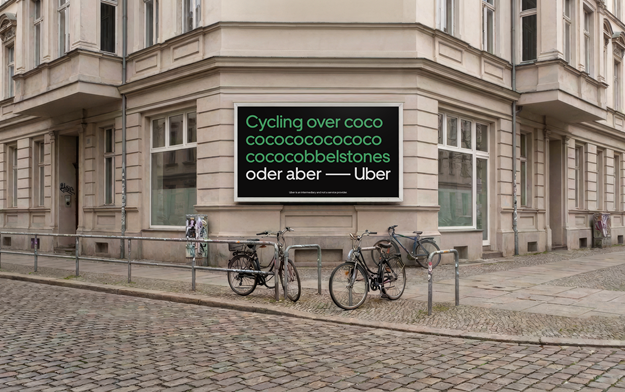
Serviceplan's First Campaign for Uber Plays with Words, Wit and Well-Worn Habits
Uses documentary-style storytelling, cinematic observation, and everyday moments to position Uber as a relevant choice for daily life
MediaMarktSaturn and Serviceplan Group Launch Future-Ready Model for Marketing Production
The transformation ambition behind this new model is to consistently advance MediaMarktSaturn’s "Experience Retail" strategy

Latest News
Oct. 21, 2026
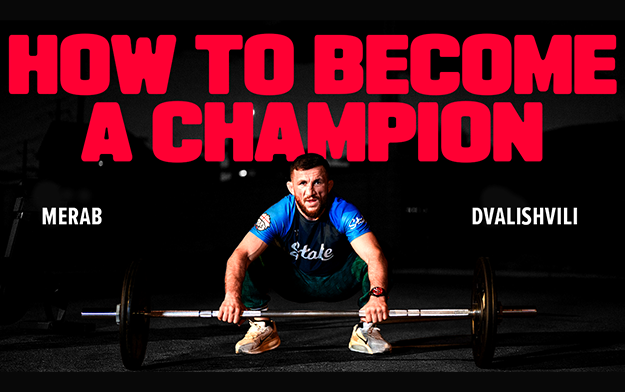
Stake Releases "The Merab Method" as Global Ambassador Looks to Regain UFC World Title
Stake, the world's largest online casino and sportsbook, has expanded on its Global Ambassador agreement with Merab Dvalishvili
Oct. 21, 2026
Digital 2027 Report: One in Three People Globally now use Gen AI, as Social Media Users Reach 5.81 Billion
Digital 2027 reveals major milestones in artificial intelligence and social media adoption